
Can Hail Damage Solar Panels?
Hailstorms can damage roofs and solar panels. Learn how to spot possible solar panel hail damage, what to do after a storm, and when solar detach and reset may be needed.
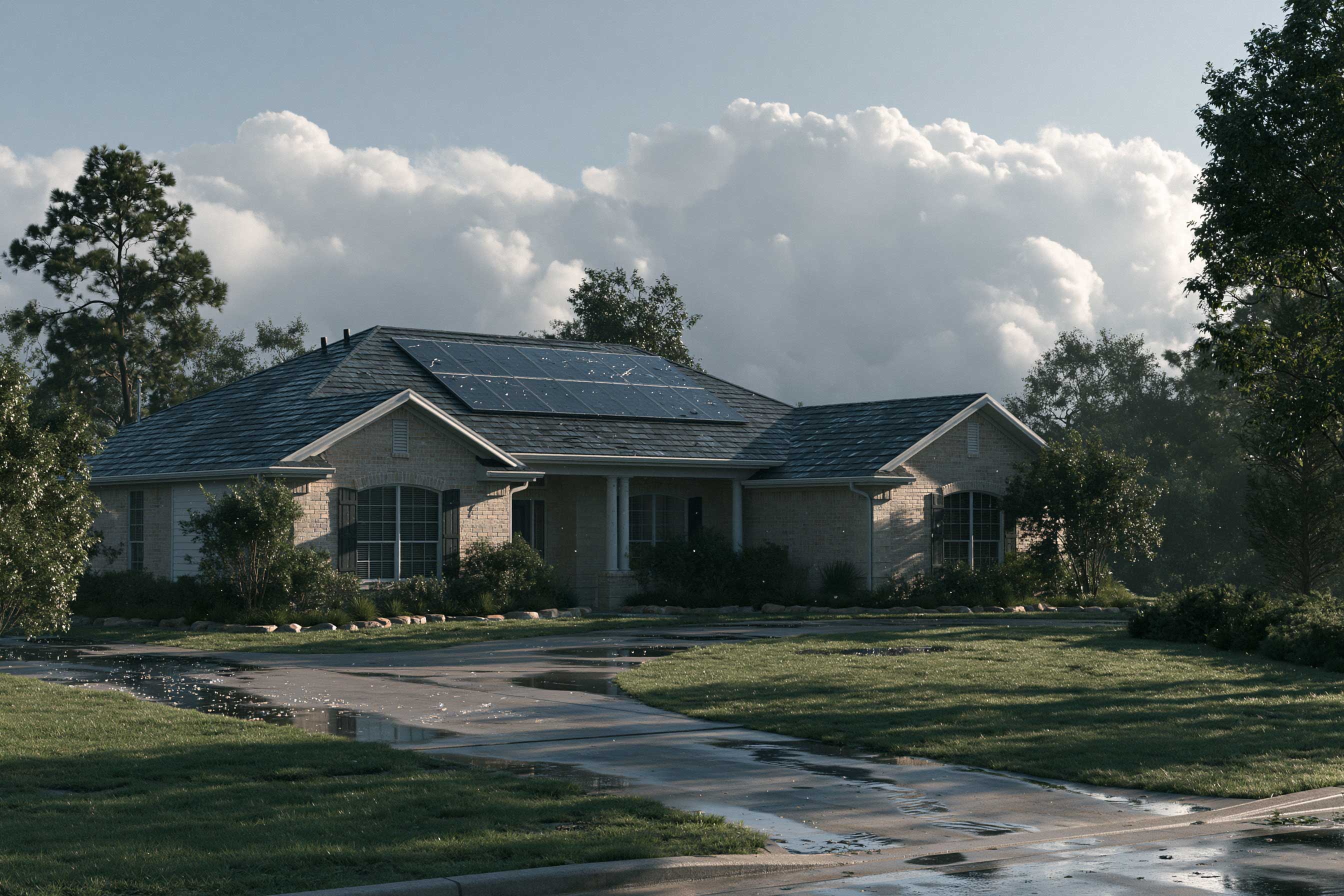
Weather can be tough on your roof. Strong storms, high winds, and hail can damage shingles, gutters, vents, and sometimes even solar panels.
If your home has solar panels and a hailstorm recently passed through your area, you may be wondering: Can hail damage solar panels?
The answer is yes. Solar panels are built to handle normal outdoor weather, but severe hail can still cause damage, especially when hailstones are large, wind-driven, or hit the panels at a strong angle.
For Texas homeowners, it is important to check both the roof and the solar system after a major hailstorm.
How Can Hail Damage Solar Panels?
Solar panels are designed with strong glass, but they are not impossible to damage. Large hail can create visible damage or hidden issues that may affect system performance over time.
Common types of solar panel hail damage include:
- Cracked glass
- Broken panel frames
- Damaged wiring or connectors
- Loose mounting hardware
- Damaged roof attachments
- Microcracks inside the solar cells
- Lower solar production after the storm
Some damage is easy to see. For example, a cracked panel or shattered glass is obvious. Other damage can be harder to notice. A solar panel may look normal from the ground but still have internal cell damage or production issues.
That is why a visual roof check is not always enough.
Signs Your Solar Panels May Have Hail Damage
After a Texas hailstorm, you should look for warning signs that your solar system may need to be inspected.
Possible signs include:
- Visible cracks on one or more panels
- Broken or bent panel edges
- Loose solar panels or racking
- Roof leaks near the solar array
- Error messages from your inverter
- A sudden drop in solar production
- Monitoring app showing lower output than usual
- Damaged shingles, vents, or flashing around the panels
If your roof shows hail damage, your solar system may need attention too. The panels, mounts, and roof attachments are all part of the rooftop system.
What Should You Do After a Hailstorm?
If you think your solar panels may have hail damage, do not climb on the roof or try to remove panels yourself. Solar systems include electrical components, and walking on a damaged roof can also be dangerous.
A safer approach is to:
- Take photos from the ground if visible damage is present.
- Check your solar monitoring app for production changes.
- Look for roof leaks or water stains inside the home.
- Contact your insurance company if there is storm damage.
- Schedule a professional inspection if the roof or solar system may be affected.
If the roof needs repair or replacement, the solar panels will usually need to be removed before the roofing work begins. This is where a solar detach and reset may be required.
What Is Solar Detach and Reset After Hail Damage?
A solar detach and reset is the process of safely removing solar panels from the roof, storing them while roof work is completed, and reinstalling them after the roof is ready.
After hail damage, this service may be needed when:
- The roof needs replacement
- Shingles under the panels are damaged
- Roof leaks are found near the solar array
- Solar attachments need to be removed
- Panels need to be inspected or replaced
- The roofing contractor needs full access to the roof surface
The goal is to protect the solar equipment while allowing the roofing work to be completed correctly.
Can Hail Damage the Roof Under Solar Panels?
Yes. Even if solar panels cover part of the roof, hail can still damage exposed roof areas, edges, flashing, vents, gutters, and sometimes the roof surface around or under the solar array.
If the insurance or roofing inspection shows that the roof needs to be replaced, the solar panels usually need to come off before the new roof is installed.
Replacing a roof around solar panels is usually not the best approach. Roofers need proper access to remove old materials, inspect the decking, install underlayment, and complete the roof replacement correctly.
Is Solar Panel Hail Damage Covered by Insurance?
Solar panel hail damage may be covered depending on your insurance policy, how the system is owned, and the details of the claim.
For many homeowners, rooftop solar panels may be treated as part of the home because they are attached to the property. However, every policy is different. Deductibles, exclusions, leased systems, and claim details can all affect coverage.
If hail damaged your roof and solar panels, review your insurance estimate carefully. Make sure it includes any needed solar detach and reset work before the roofing project starts.
Should You Replace Damaged Solar Panels?
Not every panel needs to be replaced after a hailstorm. Some panels may be fine, while others may need repair, replacement, or further testing.
A professional inspection can help determine whether the system is safe, whether production has been affected, and whether any parts need to be replaced.
If the roof is already being replaced, it can also be a good time to review the system layout, replace old mounting hardware, add more panels, or consider battery backup.
Need Solar Panel Help After Hail Damage in Texas?
If your roof or solar panels were affected by hail, DetachNReset can help with the next step.
Our team helps Texas homeowners safely remove, protect, and reinstall solar panels for roof repair, roof replacement, storm damage, and insurance-related projects.
Do not let hail damage turn into a delayed roofing project or a solar system problem.
Contact DetachNReset today to request a written solar detach and reset proposal for your Texas hail damage project.
Planning a roof project with solar panels?
Get a written detach and reset proposal for your Texas project, usually within one business day.
Request a quote